The Hidden Language of Teeth: What Your Enamel Reveals About Your Health

Your Teeth Are Telling a Story
Every time we examine a patient’s teeth, we’re reading a fascinating biography written in enamel, dentine, and gum tissue. As a dentist in Mill Hill, at Ecladent we’ve learned that teeth are far more than simple tools for chewing—they’re sophisticated indicators of overall health, lifestyle choices, and even emotional wellbeing. The mouth serves as a window into the body, offering valuable clues that can help identify potential health concerns long before symptoms appear elsewhere.
Understanding what your teeth reveal about your health empowers you to take proactive steps towards better overall wellness. From the colour and texture of your enamel to the condition of your gums, each aspect tells us something meaningful about what’s happening inside your body.
Enamel Erosion and Dietary Habits
The outer layer of your teeth, the enamel, is the hardest substance in the human body. However, it’s not indestructible. When we notice unusual wear patterns or erosion, it often points to specific dietary habits or health conditions. Frequent consumption of acidic foods and beverages—citrus fruits, fizzy drinks, and even certain health tonics—can gradually dissolve enamel, leaving teeth vulnerable to sensitivity and decay.
Interestingly, enamel erosion can also indicate gastric reflux or eating disorders, conditions where stomach acid repeatedly comes into contact with teeth. The pattern of erosion tells us a great deal: wear on the inner surfaces of upper front teeth often suggests acid reflux, whilst generalised thinning might indicate an overly acidic diet.
The Colour Spectrum of Dental Health
Tooth discolouration isn’t merely a cosmetic concern—it can reveal important health information. Whilst yellowing often results from natural ageing or lifestyle choices such as tea and coffee consumption, other colour changes warrant closer attention.
Grey or brown hues can indicate exposure to certain medications during tooth development, particularly tetracycline antibiotics. White spots or patches often signal early demineralisation, the first stage of cavity formation, or excessive fluoride exposure during childhood. Dark staining along the gum line might suggest iron supplementation or certain bacterial infections.
Gum Health as a Systemic Indicator
The state of your gums provides remarkable insights into your overall health. Inflammation, bleeding, or recession aren’t isolated dental issues—they’re often connected to broader health patterns. Research has established strong links between periodontal disease and conditions such as cardiovascular disease, diabetes, and respiratory infections.
When we observe persistent gum inflammation despite good oral hygiene, it prompts us to consider whether underlying health conditions might be contributing factors. Diabetic patients, for instance, often experience more severe gum disease, whilst pregnant women may notice increased gum sensitivity due to hormonal changes.
Grinding, Clenching, and Stress Signals
Worn, flattened, or chipped teeth frequently tell us about stress levels and sleep quality. Bruxism—the technical term for teeth grinding—affects a significant portion of the population and often intensifies during periods of heightened stress or anxiety. The evidence is unmistakable: worn enamel on chewing surfaces, fractured teeth, and overdeveloped jaw muscles all point to this nocturnal habit.
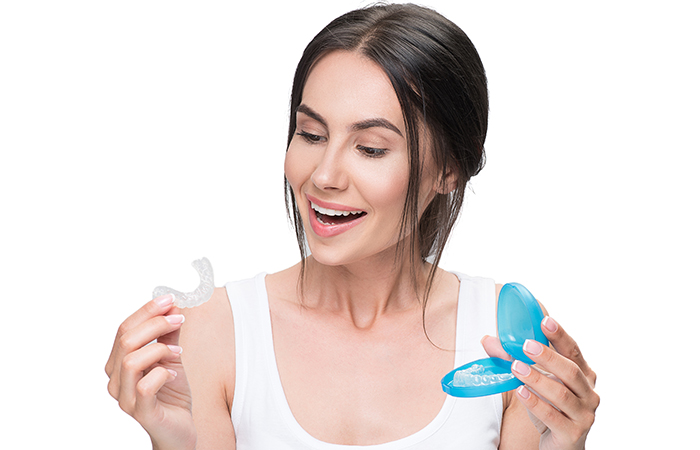
As a dentist in Mill Hill, we recognise that addressing bruxism requires more than just fitting a protective guard. It involves understanding the underlying causes, whether they’re stress-related, sleep disorders, or misaligned teeth.
Taking Action on What Your Teeth Reveal
Regular dental examinations allow us to spot these telltale signs early and address potential health concerns promptly. When you visit a dentist in Mill Hill, you’re not simply maintaining your smile—you’re investing in comprehensive health monitoring. Your teeth are constantly communicating; we’re here to help you understand their message and respond appropriately, ensuring both oral and overall wellbeing for years to come.